Explore Markham Commercial Metal Roof Coatings for durable protective coating solutions for commercial metal roofs
The Ultimate Guide to Roof Coatings: Safeguard Your Home and Improve Longevity
Roof coatings represent an important boost for home roofing systems. They form a protective layer that shields from weather conditions. Homeowners frequently overlook these solutions, though they can substantially increase durability and energy efficiency. Understanding the various types offered is crucial for selecting the right solution. As the exploration progresses, the positive results and implementation approaches will indicate why roof coatings make for a sound choice for extended durability.
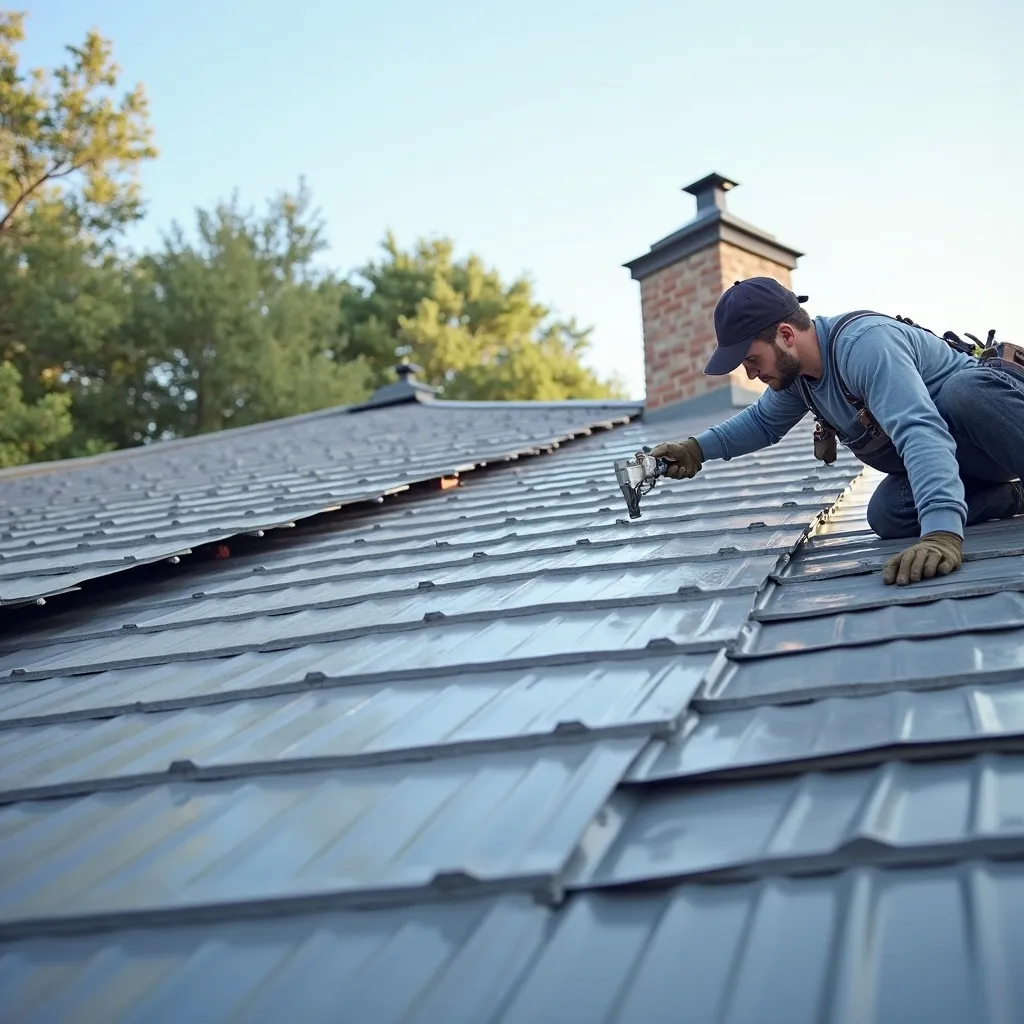
Understanding Roof Coatings and How Do They Function?
Although many property owners may be unknowing, roof coatings are important protective layers applied to roofs to boost their durability and efficiency. These protective coatings typically consist of a liquid material that, when applied, forms a seamless membrane over the existing roofing surface. This membrane acts as a barrier against various natural conditions, including UV rays, rain, and thermal variations.
Roof coatings function by reflecting sunlight, decreasing heat uptake, and thereby lowering energy expenses. They also offer water protection, stopping leaks and extending the life of the roofing material. By sealing small cracks and imperfections, roof coatings improve the structural go to article integrity of the roof and enhance its overall appearance. Additionally, some coatings contain antimicrobial properties that prevent mold and mildew growth, contributing to a healthier living environment. Overall, roof coatings represent an cost-effective solution for homeowners seeking to protect their investment while improving energy efficiency.
Comparing Various Categories of Roof Coatings: Finding the Right Fit for Your Home
When assessing a roofing solution, it is vital to review primary options, encompassing their effectiveness and durability. Furthermore, price considerations matter significantly in planning funds for the best choice. Understanding these elements will assist homeowners choose wisely that best match their preferences.
Key Coating Types Overview
Determining the best roof coating is critical for maintaining a home's integrity and enhancing its lifespan. Assorted types of roof treatments are on the market, each with specific properties suited to diverse roofing materials and conditions. Acrylic-based coatings deliver excellent UV resistance and are water-based, making them sustainable. Silicone coatings offer superior waterproofing and are ideal for flat roofs but can be slippery when wet. Polyurethane-based coatings are robust and flexible, providing excellent durability but require careful application. Bitumen coatings are traditional options, known for their water resistance, yet they can be heavy. Homeowners should examine these key types based on their specific needs, climate, and roof type to find the most suitable solution for protection and performance.
Performance and Endurance Aspects
Comprehending the performance and lifespan of different roof coatings enables homeowners to make informed decisions aligned to their individual needs. Each type of coating, such as acrylic, silicone, and polyurethane, supplies unique benefits and lifespan expectations. Acrylic coatings are distinguished for their UV resistance and resilience, typically withstanding 5 to 10 years. Silicone coatings are excellent in waterproofing, with a durability range of 10 to 20 years, yet may need specific surface preparation. Polyurethane coatings offer exceptional durability and are ideal for high-traffic areas, lasting as long as 20 years. Variables like climate, roof slope, and existing materials also affect performance and longevity. Ultimately, choosing the proper coating involves balancing these features to guarantee optimal protection and durability for the home.
Price Factors and Financial Planning
When thinking about roof coatings, homeowners must thoughtfully consider cost implications balanced against performance characteristics. The initial investment spans considerably among different types, such as acrylic, silicone, and polyurea coatings. Acrylic coatings typically present a lower cost, making them an suitable choice for price-aware homeowners. However, silicone coatings, while significantly more expensive, provide remarkable longevity and reflectivity, potentially leading to considerable reductions on energy bills. Polyurea coatings offer outstanding performance but come with the highest price tag. Homeowners should also incorporate installation costs, maintenance, and potential lifespan when budgeting. By assessing these financial aspects against the preferred benefits, homeowners can choose judiciously that align with both their financial constraints and performance expectations.
The Case for Spending in Roof Coatings: Major Benefits for Extended lifespan
Investing in roof coatings provides substantial advantages that enhance durability and lifespan. These coatings improve weather protection, increase energy savings, and can extend the lifespan of roofing materials. Property owners may find that these advantages lead to long-term cost savings and lower upkeep expenses.
Improved Environmental Resilience
How can roofing coatings greatly enhance a structure's durability against severe weather? Roof coatings serve as a protective shield, protecting structures from extreme temperatures, heavy rainfall, and damaging UV rays. These coatings are designed to form a waterproof layer, avoiding leaks and water intrusion that can lead to mold and structural damage. Additionally, they provide resistance to wind-driven debris, reducing the risk of roof deterioration during storms. By reflecting sunlight, roof coatings help minimize thermal expansion and contraction, which can compromise roofing materials over time. Investing in high-quality roof coatings not only prolongs the life of a roof but also guarantees that it remains intact and functional, regardless of the environmental challenges it faces.
Energy Effectiveness Enhancement
A considerable benefit of roof coatings exists in their ability to boost energy performance, making them a wise purchase for any building owner. These coatings deflect sunlight and reduce heat absorption, which can produce lower cooling costs during warmer months. By maintaining a more stable indoor temperature, roof coatings assist in energy savings and improved comfort for occupants. Additionally, many coatings are engineered to insulate, further minimizing energy consumption throughout the year. The reduction in reliance on heating and cooling systems not only decreases utility bills but also lessens the overall carbon footprint of the building. Consequently, investing in roof coatings can function as a preventative measure to promote sustainability while simultaneously benefiting the owner's financial bottom line.
Enhanced Roof Durability
Roof coatings strengthen power conservation and considerably extend the service life of roofing systems. By establishing a protective shield, these coatings protect roofs from difficult climate elements, UV radiation, and physical wear. This protective barrier lowers the chance of moisture damage and damage, ultimately leading in fewer maintenance needs and repair expenses over time. Additionally, roof coatings can reflect sunlight, restricting thermal fluctuations that often leads to fatigue. Investing in roof coatings protects the strength of the roofing material and also delays the requirement for costly new roofs. Homeowners who prioritize resilience and lasting performance in their roof choices will find that roof coatings are a sound choice, enhancing both worth and functionality.
In What Ways Do Roof Coatings Strengthen Durability and Energy Efficiency?
Evidence confirms that roof coatings substantially improve the energy efficiency and longevity of roofing systems. These coatings work as a safeguarding layer against climatic challenges such as UV rays, extreme temperatures, and moisture infiltration. By bouncing back solar rays, solar-reflective roof coatings help minimize heat uptake, resulting in lower indoor temperatures and decreased reliance on air conditioning. This not only increases energy performance but also generates significant cost savings over time.
Moreover, the application of roof coatings can prevent the degradation of roofing materials, thereby prolonging their lifespan. The flexibility of these coatings allows them to expand and contract with temperature fluctuations, minimizing the risk of cracking or peeling. Additionally, they can seal minor imperfections and leaks, providing an extra layer of protection. Overall, roof coatings serve as a multifaceted solution that improves both the durability and energy efficiency of roofing systems, making them a valuable investment for homeowners.
What Concerns Do Roof Treatments Prevent?
Superior roof sealants can greatly reduce various problems that homeowners face. One key issue is water damage, as premium coatings form a moisture-resistant layer, halting water intrusion and subsequent mold growth. This safeguard extends the durability of roofing materials, decreasing the requirement for costly maintenance or new installations. Additionally, roof sealants can combat UV damage; they reflect damaging sunlight, minimizing temperature-related movement that can lead to fracturing.
One further concern is poor energy performance. Coatings can enhance insulation, helping regulate indoor temperature control and lower energy bills. They also prevent accumulation of debris, which can trap moisture and promote deterioration. Moreover, some coatings are designed to resist moss and algae expansion, tackling visual issues while maintaining structural soundness. By addressing these problems, roof coatings not only safeguard properties but also contribute to overall property value and longevity.
Step-by-Step Directions on How to Coat Roof Coatings
Applying roof coatings requires meticulous planning and close attention to ensure superior outcomes. First, the surface must be thoroughly cleaned to remove dust, dirt, and previous coatings. This step ensures proper adhesion of the new coating. Next, any damaged areas should be repaired, including installing new shingles or patching leaks. Once the surface is dry, a primer may be applied to enhance bonding.
Upon initial surface preparation, the protective layer itself can be applied using a spray gun or roller tool, providing even coverage. It's crucial to adhere to the manufacturer's guidelines with respect to coat thickness and application approach. Typically, two coats are recommended for maximum protection. After administering the foundational coat, sufficient drying time must be allowed before applying the second.
Finally, equipment needs to be cleaned immediately after use, and any leftover debris must be thrown away correctly. This organized method helps increase the effectiveness and longevity of the roof coating.
Guidance for Preserving Roof Coatings: Ensuring Lasting durability and Peak performance
After properly installing a roof coating, ongoing maintenance plays an critical part in preserving its performance and prolonging its lifespan. Frequent checks are important; homeowners should inspect the roof for indicators of damage, such as cracks, peeling, or discoloration. Washing the surface periodically helps remove debris, growth, and moss, which can damage the coating's strength.
Scheduling these assessments at least twice a year is advisable, preferably during spring and fall. When work is required, applying compatible materials ensures proper bonding and functionality. Additionally, checking the roof's drainage system can avoid standing water, a common issue that can lead to premature deterioration.
House owners should also be mindful of local weather conditions, as extreme temperature fluctuations can affect the coating. By following these maintenance tips, the durability and performance of roof coatings can be greatly enhanced, providing long-lasting safeguard for the home.
Regularly Posed Questions
What Is the Typical Duration of Roof Coatings?
Roof coatings generally last between 5 to 15 years, depending on factors such as material quality, application technique, and environmental conditions. Regular maintenance can improve durability and performance, ensuring ideal protection for the underlying structure.
Can Roof Coatings Be Applied in Winter?
Roof coatings may be applied during winter, though their effectiveness is contingent on temperature and weather conditions. Optimal temperatures typically stay above 50°F, ensuring correct adhesion and curing. Cold weather can hinder longevity and durability.
Are Roof Coatings Environmentally Friendly?
Roof coatings can be environmentally friendly, especially those with low VOCs. Many formulations bounce sunlight, reducing energy consumption, while others utilize recycled materials, adding to green construction methods and reducing ecological impact.
What Method Should I Use to Pick a Shade for My Roof Coating?
Determining the best tone for a roof coating demands weighing aesthetics, energy efficiency, and local climate. Pale colors reflect sunlight, while darker tones soak up heat. Personal preference and neighborhood aesthetics also play vital roles in the decision.
Can Roof Coatings Negate My Guarantee?
Roof coatings may undermine warranties, as per the supplier's standards. Homeowners should attentively analyze warranty terms and coordinate with professionals to confirm adherence and copyright coverage while extending roof protection and durability.